











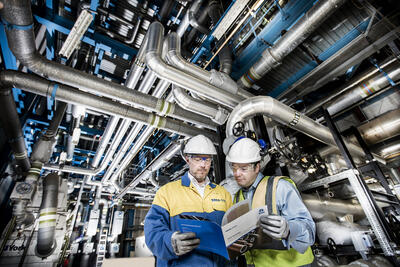































































Ruth Lowe is our Head of Raw Materials, Technical. She is part of a team that will oversee the supply of scrap to the new EAF at Port Talbot. As she describes here, it will make for a very different way of working – one where customers could also turn suppliers.
Up to mid-2024, I was part of the function responsible for bringing in 8 million tonnes per annum of raw materials from all round the world into the deep-sea harbour, ready to feed the blast furnaces at Port Talbot. Now, with the transition to EAF steelmaking, the framework is the same, but the picture is very different.

The main raw material will now be steel scrap; we will be sourcing 2-2.5 million tonnes each year from within the UK which will feed the Electric Arc Furnace. Most of the scrap will be brought in by rail, so there is a new logistics component for us there. The 14-acre scrap receiving yard is mid-way through construction – it will be where the current temporary contractor village and car park is sited and it has a first-class design.
Planning for this supply has of course been underway for some time and was a crucial part of early feasibility studies for the EAF transition. We are fortunate in the UK to have a good volume of steel scrap generated at around 9-10 million tonnes per year, much of which is currently exported to other countries which lack the ready supply from their own domestic industries. Our key priority is ensuring the quality of the scrap is to the standard we need to make strip steel: low residual content and low contaminants. Tried and tested advanced technologies are already widely proven in Europe and the US to remove unwanted materials, so it’s about understanding what the UK scrap landscape needs and how we can utilise these technologies. We’re working closely with the scrap supply chain between processors, academics and with UK government to ensure the right standards are maintained to support the transition.
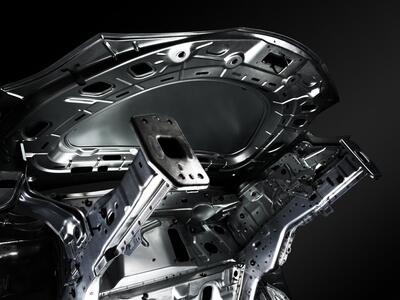
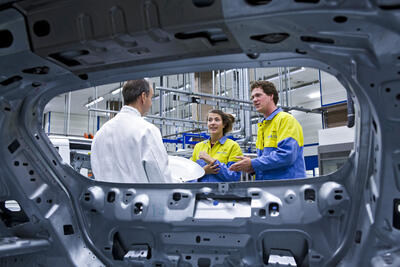
But not all our supply will come from this route. One of the best sources will be our own UK manufacturing customers. As major steel users themselves, they generate process scrap from their own operations: stamping, cuttings and presswork. By retrieving production scrap from the process, we will be getting our own steel back to recycle again in our EAF. From a material circularity perspective that creates a very positive loop, but critically it means the quality is secured as we know exactly what has gone into it. The automotive sector is just one of the sectors that will provide a large proportion of this scrap. The good news is we will be able to take galvanised products, which was not so easy with the scrap content required for the former BOS process.
Our customers have been very supportive about the prospect of being our suppliers and are as keen as we are to get this supply chain into action.
Categories