















































































































New UK and EU steel trade measures came into force on 1 July, reshaping the landscape for steel imports and domestic manufacturing.
In the latest episode of SteelCast, Tata Steel UK's Head of International Trade & Compliance, Vlad Darahan, explains what the changes mean for the industry, why tariff-rate quotas remain essential, and what is at stake for Britain's manufacturing future
Standing in Westminster, where many of the decisions affecting the UK manufacturing industry are debated and shaped, the conversation focused on a subject that has profound implications for steelmakers, manufacturers and the wider economy: tariffs and quotas.
The new measures introduced by both the UK and European Union mark the latest chapter in a global response to steel overcapacity, market distortion and increasingly complex international trade flows.
What are tariff-rate quotas and why do they exist?
Despite renewed attention on trade policy, tariff-rate quotas (TRQs) are far from new.
The steel industry has operated under safeguard measures since 2018, following the introduction of US Section 232 tariffs. The UK and EU adopted their own systems to manage import volumes and protect domestic industries from market distortions created by global overcapacity and heavily subsidised production.
"Tariff-rate quotas allow the domestic industry to adjust and compete in a fairer environment." Vlad Darahan
Unlike straightforward tariffs, TRQs allow significant volumes of steel to enter a country tariff-free. Duties are only applied once import levels exceed agreed thresholds.
According to Vlad, the objective is not to block trade but to ensure fair market conditions: "Tariff-rate quotas allow the domestic industry to adjust and compete in a fairer environment."
The challenge of global overcapacity
Global steel markets continue to be shaped by excess production capacity, particularly from China. This surplus steel inevitably seeks export markets, putting pressure on prices and creating challenges for producers operating in regions with higher environmental standards and operating costs.
The UK's safeguard measures are intended to provide domestic steelmakers with the ability to compete against imports that may benefit from government subsidies or market conditions that do not reflect normal commercial realities.
"We are living in the age of global steel overcapacity, driven primarily by China."
The result is a delicate balancing act between maintaining open markets and safeguarding strategic manufacturing capability.
Why 1 July was such an important date
Both the UK and EU introduced revised safeguard arrangements on 1 July. While the timing may have appeared coincidental, it was actually established years ago.
The original safeguard measures adopted in 2018 were always subject to WTO rules limiting their duration. As a result, both the UK and EU needed to establish replacement systems before the previous arrangements expired at the end of June 2026.
While both jurisdictions reached similar overall outcomes, the methodologies used were different.
The EU adopted a notably tougher approach, reducing overall quota levels by around 50% compared to the previous regime. The UK also tightened some measures but produced a more mixed outcome across product categories.
A mixed picture for UK steel
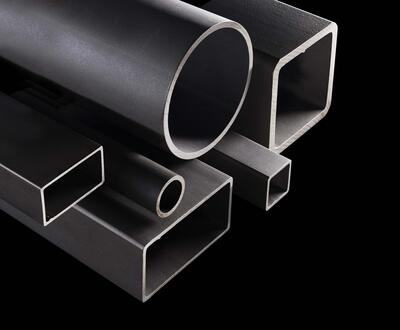
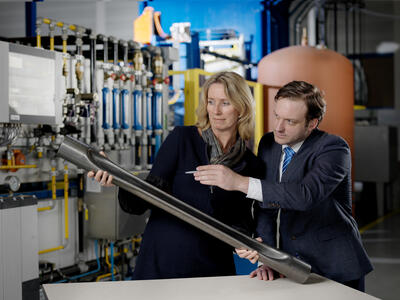
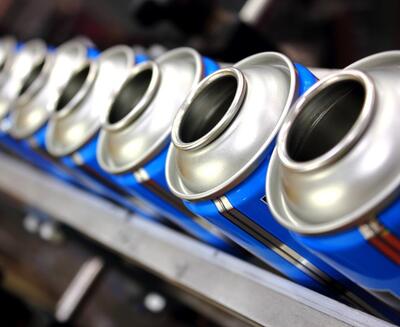
Some product categories received quota allocations broadly in line with industry expectations. However, concerns remain around categories such as galvanised steel, structural hollow sections and packaging steels, where significant volumes of low-priced imports continue to be allowed into the UK market.
These products are critical to Tata Steel UK's downstream operations and long-term manufacturing footprint.
"There are some really good changes that have been made, but there have also been less positive changes that still allow very significant volumes to come in from certain countries."
The concern is not competition itself. Tata Steel has repeatedly stated that it welcomes fair competition and global trade.
Rather, the issue is ensuring that imports do not overwhelm domestic production to the point where UK manufacturing capacity becomes unsustainable.
This is not about avoiding competition
A recurring theme throughout the discussion was the misconception that steel producers are seeking protection from competition.
Vlad rejected that argument outright.
"We're not shying away from competition. We know that we are a competitive supplier. We make great products and we have great people working across every part of the organisation."
Instead, Tata Steel argues that market regulation should allow domestic producers and imports to coexist in a sustainable way.
The objective is a balanced market where manufacturers, customers and steel producers can all prosper.
"There needs to be regulation in the market that allows the domestic industry to coexist with imports and to flourish with imports."
The bigger issue: economic security
Perhaps the most important takeaway from the discussion is that the debate extends far beyond steel prices.
For Tata Steel, trade measures are fundamentally about preserving a strategic industrial capability that supports sectors ranging from automotive and engineering to infrastructure, defence and food packaging.
Without a robust domestic steel industry, manufacturers could become increasingly dependent on overseas suppliers, creating long-term risks for supply chain resilience and national economic security.
"It's really about maintaining the manufacturing base, the industrial base of this country for the purpose of economic security."
Looking ahead
The newly introduced UK safeguard measures will remain in place for at least the next 12 months.
During that period, Tata Steel UK will continue working with government and industry stakeholders while also focusing on its own competitiveness, innovation, efficiency and product development.
Trade measures alone are not viewed as a solution to every challenge facing the sector. As Vlad said: “The tariff-rate quotas were never supposed to be a silver bullet."
The task now is ensuring that future reviews reflect market realities and support the long-term sustainability of UK steel manufacturing.
As the UK continues its transition to greener steelmaking and invests in the future of production at Port Talbot, the decisions made on trade policy today will help determine whether Britain retains the steelmaking capability that countless supply chains depend upon tomorrow.
WATCH Vlad talk Tariffs on the latest video podcast: https://youtu.be/xuqVZ0yKCDs
Notes
Global steel markets remain heavily impacted by overcapacity and increasing international protectionism, with a number of major economies continuing to strengthen trade protections for domestic producers.
Tata Steel UK recognises the significant work undertaken by UK Government in developing the revised quota framework during an exceptionally challenging global trading environment for steel.
The company continues to support the principle of effective UK steel trade measures and recognises the importance of maintaining a stable and workable framework for both domestic steel production and the wider steel supply chain.
Tata Steel UK remains concerned that quota volumes in a number of product categories, including metallic coated steels (Category 4), packaging steels (Category 6) and hollow sections (Category 21), continue to permit significant import penetration and do not sufficiently reflect underlying UK market conditions or the pressures facing domestic steel producers.
Tata Steel UK has consistently engaged constructively with Government regarding the importance of ensuring that quota volumes remain aligned to UK market demand and support a sustainable long-term future for domestic steel production, investment and downstream operations in the UK.