























































Just three weeks after the fire on the Port Talbot Pickle Line, teams across Tata Steel UK have achieved something pretty remarkable.
The fire in early June caused significant damage to a critical processing line and could have had a major impact on the business. But thanks to a huge team effort, production is already up and running at the sister plant at Llanwern, helping Tata Steel continue to support customers while plans for the new pickle line at Port Talbot move forward at pace.
For Craig Phillips, Works Manager for Llanwern and Port Talbot Cold Rolled Products, the response has been nothing short of outstanding.
"The response from the teams in Port Talbot was absolutely phenomenal. The most important thing was making sure everyone was safe."
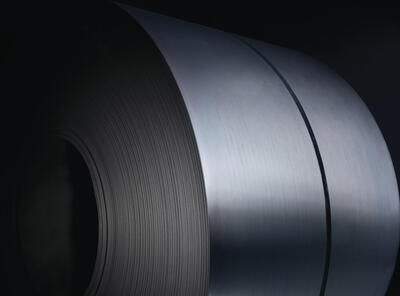
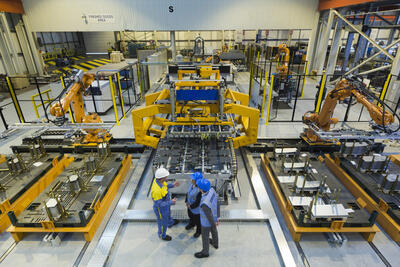
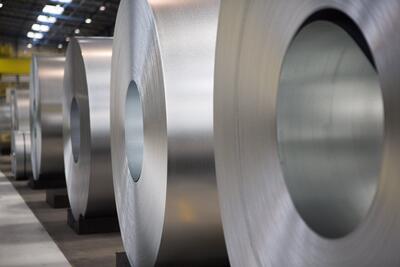
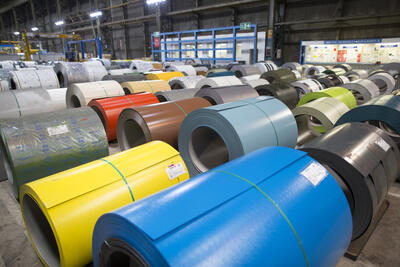
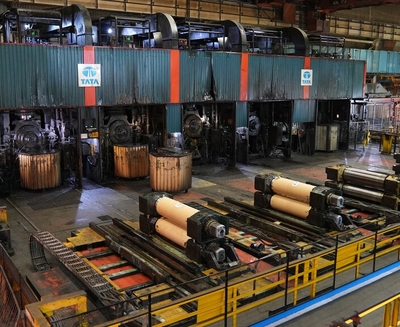
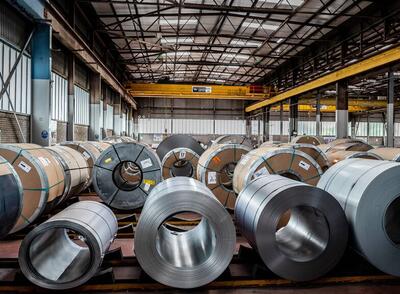
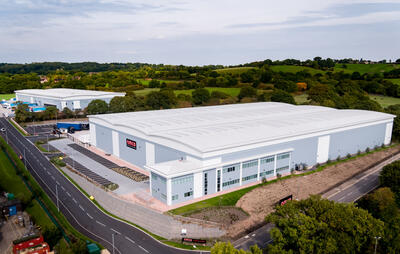
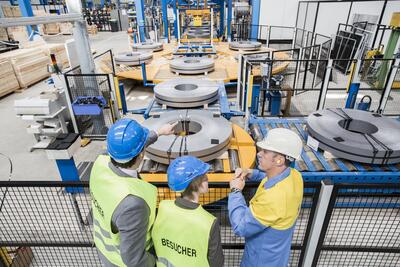
With the Port Talbot Pickle Line out of action, the focus quickly turned to Llanwern. The Pickle Line there had been processing around 70,000 tonnes a year, but is now being prepared to handle more than one million tonnes annually. At the same time, Llanwern's five-stand cold rolling mill has been brought back into service after being mothballed since last October.
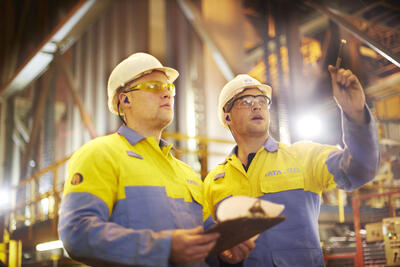
Craig said: “The speed of the turnaround has only been possible because of the efforts of people from right across the business: engineering, operations, procurement, HR, Finance and Commercial teams have all played their part, while more than 180 Port Talbot colleagues have already completed their inductions at Llanwern.
One of them is Gareth Lewis, a Section Manager from Port Talbot, who has been impressed by the welcome he and his colleagues have received: “The Llanwern teams have been brilliant—very welcoming and supportive."
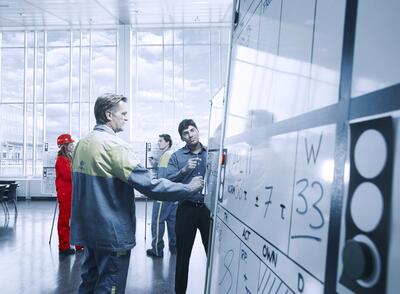
Walking around the site, Craig says it's clear that people aren't thinking in terms of separate locations anymore: "They're not using the words Port Talbot or Llanwern, they're using the word 'we'. We are one Tata Steel family."
Over the coming months, operations will continue to ramp up towards 24/7 production.
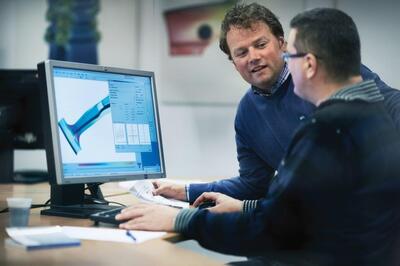
WATCH HERE: Craig Phillips, Works Manager, talks about the outstanding efforts that will take the Llanwern Cold Rolling department from 70,000 tonnes a year to over 1 million tonnes a year of material processed.
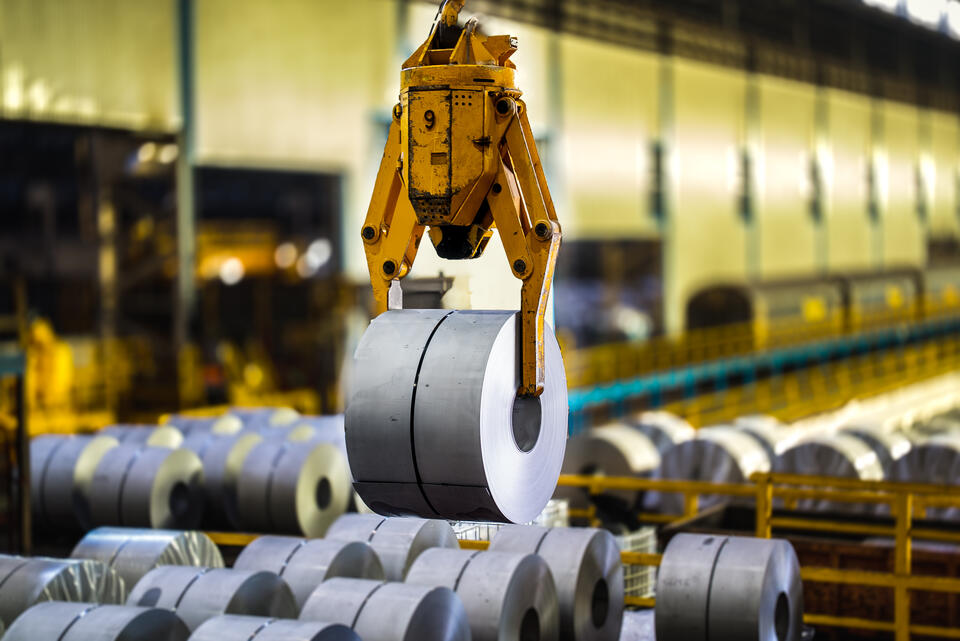
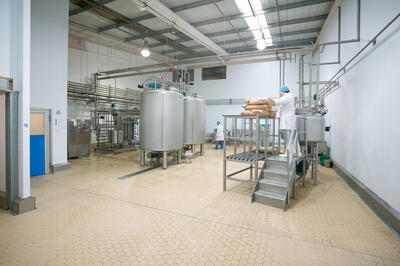
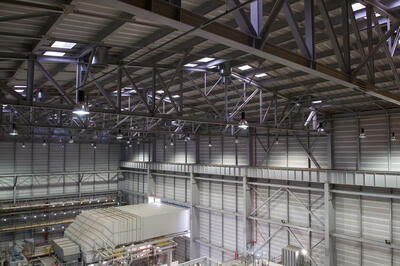
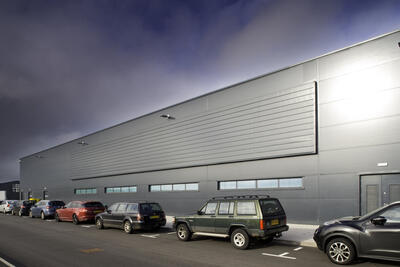
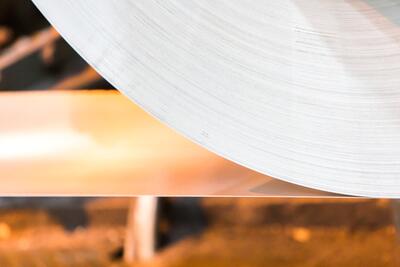
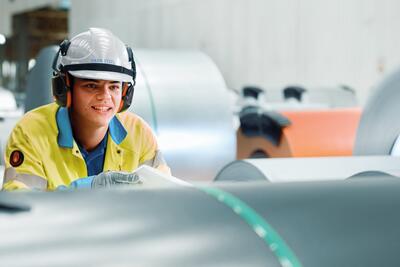
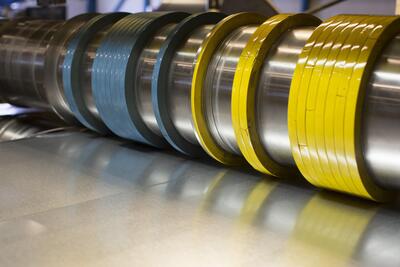
Cold Rolling Department, Llanwern, South Wales
About Tata Steel UK
- The Tata Steel Group has been named one of the most ethical companies in the world, and is among the top producing global steel companies with an annual crude steel capacity of 34 million tonnes.
- Tata Steel in the UK has the ambition to produce net-zero steel by 2045 at the latest, and to have reduced 30% of its CO2 emissions by 2030.
- In October 2024, Tata Steel ceased ironmaking at its Port Talbot site and temporarily paused steelmaking pending the construction of a 3.2Mtpa Electric Arc Furnace, due to be commissioned late in 2027 / early 2028. For that period, the business will import slab and hot rolled coil to support manufacturing and distribution operations at sites across Wales, England and Northern Ireland as well as Norway, Sweden, France, Germany and UAE. It also benefits from a network of sales offices around the world.
- Throughout 2024 Tata Steel UK has been undergoing a restructuring that will reduce the size of its workforce to around 5000 direct employees, supplying high-quality steel products to demanding markets, including construction and infrastructure, automotive, packaging and engineering.
- Tata Steel Group is one of the world's most geographically-diversified steel producers, with operations and a commercial presence across the world.
- The Group recorded a consolidated turnover of around US$27.3 billion in the financial year ending March 31, 2026.
- Tata Steel has long played a key role in enabling the UK economy to become more circular. Its products are highly durable, reusable and recyclable, It applies a sustainability assessment tool during its new product development process to measure the sustainability credentials of its new offerings.
- More information about the crucial role that Tata Steel UK already plays in driving the UK to a more circular economy, and its plans to play an even greater role, can be found in its recently-published Sustainability Report covering 2023-2025.