










































































Global steel markets are badly distorted by overcapacity, state support and rising protectionism.
China’s 131 million tonnes of exports in 2025 were more than 50 times the total annual UK steel production for the same year.
Unless British steelmakers have fair trading conditions alongside a competitive environment for manufacturing, UK production risks continuing to decline. Once capacity is lost, it is extremely difficult to rebuild.
The Government has set an ambition for domestic production to meet up to 50% of UK steel demand. That will not happen unless UK steelmakers have a fair chance to compete in their own market. A strong domestic steel industry is also critical to more resilient supply chains and the Government's ambition to build a more circular, sustainable economy.
For Tata Steel, this matters not just for today's production, but for the future of its transition to Electric Arc Furnace steelmaking at Port Talbot. That future depends on there being a viable market for our products across the sectors we service.
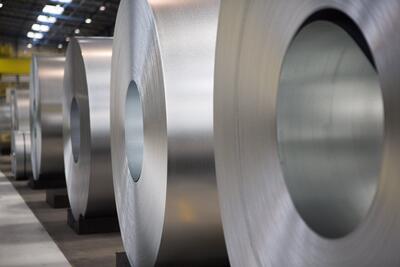
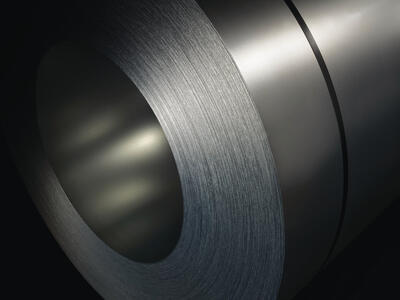
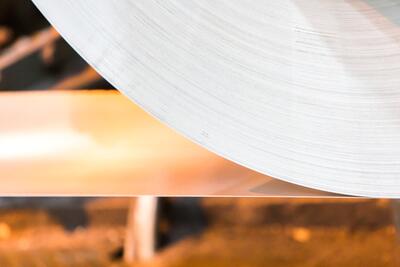
The impact can already be seen at Llanwern, where Tata Steel's galvanising line is running at around half capacity because of pressure from cheap imports and global overcapacity. These pressures are translating into real operational decisions and underlining the risk to downstream operations if the trade quotas do not provide a fair basis for competition.
The Government has taken some steps to strengthen protections for domestic steel, but the measures for some key steel products made in the UK fall short. This combined with the new EU quotas combined create a significant commercial challenge for Tata Steel UK.
The principle is simple: imports have a place in the UK market, but they cannot be allowed to crowd out domestic production.
That means quotas should reflect actual UK demand and British producers must have workable access to export markets, particularly the EU.
British steelmakers are investing and transforming in the face of high energy costs, rising capital costs, global overcapacity and increasingly protected markets overseas. Trade policy needs to support that investment.
That is why Tata Steel UK is calling for fair trade for steel.
Get the steel trade quotas right and UK steel can invest, compete and grow. Get it wrong, and Britain risks losing the ability to make steel at all.
Steel is fundamental to Britain’s economy, from the cars we drive and homes and offices we build to the infrastructure and energy projects that will power our future.
But global steel markets are increasingly distorted by overcapacity, state support and growing protectionism. UK steelmakers are being asked to invest and transform while competing against cheap imports, and facing increasing barriers to trading in essential export markets.
Without a fair trade environment, the UK risks losing vital steelmaking capability and the wider manufacturing ecosystem that depends on it.
That is why Tata Steel is calling for fair trade for steel.
Key points
BRITAIN WANTS TO MAKE MORE OF ITS OWN STEEL
The UK Government’s Steel Strategy sets an ambition for domestic production to meet up to 50% of UK steel demand, compared with around 30% in 2024.
The Government’s stated ambition for the share of UK steel demand that should be met by domestic production.
Achieving that ambition means giving UK steelmakers a fair chance to compete in their own market.
Imports have an important role in meeting UK demand for steel. But they should complement British production, not crowd it out. important role in meeting UK demand for steel. But they should complement British production, not crowd it out.
Persistent global overcapacity, state support and increasingly protected markets are putting enormous pressure on steelmakers in countries such as the UK.
131M tonnes.
Steel exported by China in 2025: more than 50 times the UK’s total annual steel production.*
And the challenge is growing. Global excess steelmaking capacity is expected to reach 721 million tonnes by 2027 and all that steel must find a home.
UK crude steel production has already fallen by more than half over the past decade.
As other major economies strengthen their trade protections, the UK needs a framework that reflects the reality of today’s global steel market.
The UK Government has taken some steps to strengthen protections for domestically produced steel, including reducing overall tariff-free import quotas and applying a 50% tariff to steel imported above those levels.
But there remains significant exposure in some of the products that matter most to UK producers.
75% of UK demand for galvanised steel can still be met by imports under the new trade quotas.*
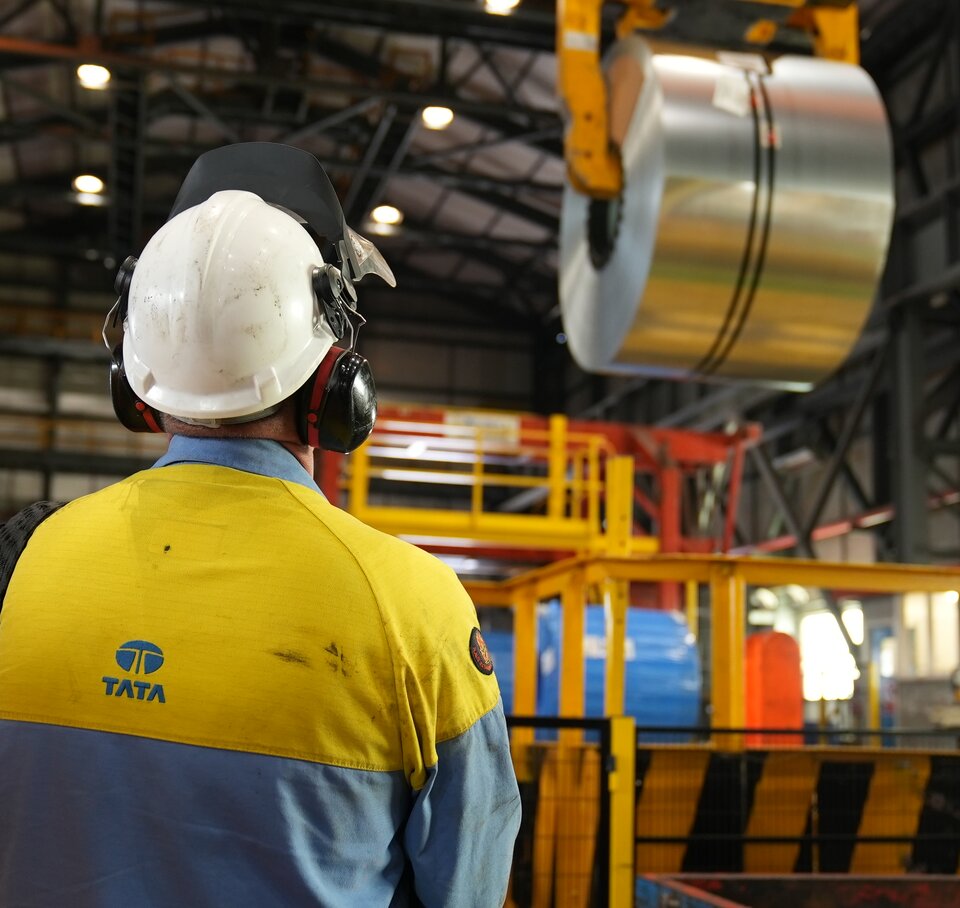
The consequences are already visible. Tata Steel’s galvanising line at Llanwern is currently running at around half capacity because of pressure from global overcapacity and cheap imports.
Fair trade is only possible if quotas are a reflection of genuine UK demand and give domestic producers a fair opportunity to compete in their home market.
Tata Steel jointly with the UK Government, is investing heavily to transform Port Talbot into a hub for Electric Arc Furnace steelmaking, to produce the
The new Electric Arc Furnace will have capacity to produce around 3 million tonnes of steel a year, using predominantly UK-sourced scrap as its feedstock.
But building the furnace is only part of the story. Its future depends on there being a viable market for the steel it produces and a strong manufacturing base.
Investment in UK steelmaking will only be successful if there is a trade environment that allows domestic suppliers to compete.
Find out more about our once-in-a-generation transformation on our website here:
Fair Trade for Steel FAQs
What is Tata Steel UK's position on steel overcapacity and trade measures?
The UK steel industry has long faced the challenge of global steel overcapacity, rising protectionism and, as a result, rising trade diversion. The industry is having to change business models, reassess raw materials and supply chains, and make huge investments, during a period of geopolitical uncertainty, faltering growth and weak steel demand.
Trade measures should be seen in that wider context. Our objective is not to prevent competition, but to ensure UK steelmakers can compete on fair terms in a global market that is increasingly affected by excess capacity, government intervention and changing trade policies.
Recent changes to UK import quotas and EU trade arrangements have significantly altered the commercial environment for steel producers. While there are positive aspects to these changes, they also create new challenges for UK steelmakers and for long-term investments in domestic steel production.
We believe trade policy should support the UK's wider ambitions to strengthen domestic manufacturing, secure critical supply chains and increase the amount of steel produced in the UK.
What is Tata Steel UK asking Government to do?
We are asking Government to ensure the UK's trade framework:
- Reflects historic trade patterns and actual UK demand.
- Creates sufficient opportunity for UK steelmakers to grow their share of the domestic market.
- Helps prevent sudden import surges that could undermine domestic production.
- Responds to the risks created by global overcapacity and trade diversion.
- Maintains workable access to important export markets, particularly the EU.
This is about targeted improvements to the system, not closing the UK market to imports.
What specific changes is Tata Steel UK seeking?
Our proposals focus on a small number of product categories where the current arrangements present particular challenges for Tata Steel UK, including:
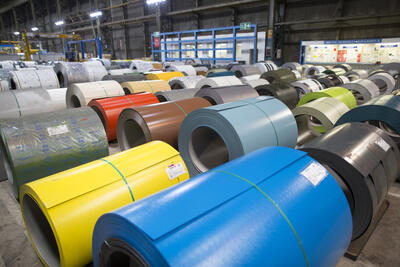
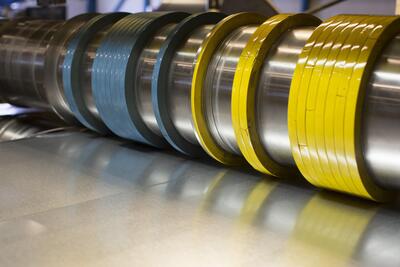
- Galvanised steel produced at Llanwern, used in the construction, automotive and engineering sectors
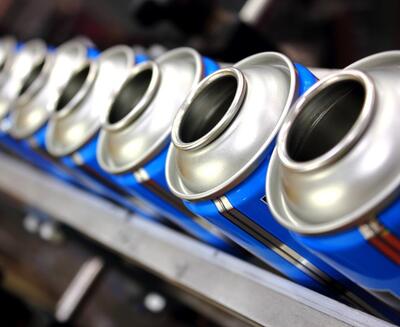
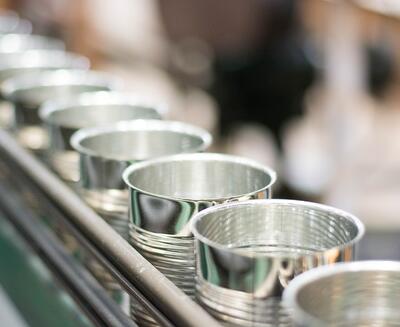
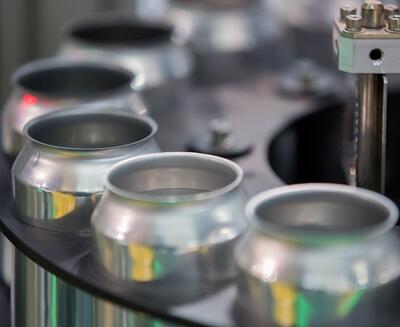
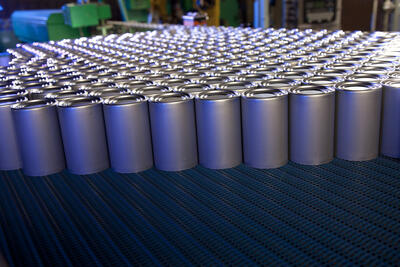
- Packaging steel produced at Trostre, supporting the food and drinks industry in the UK
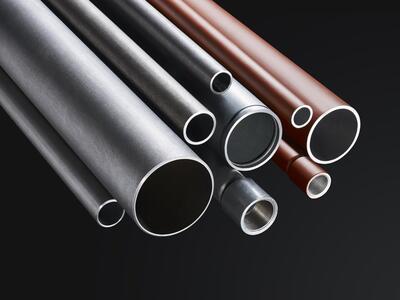
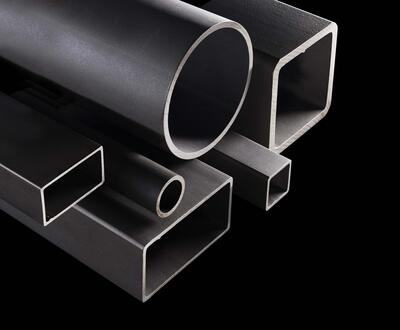
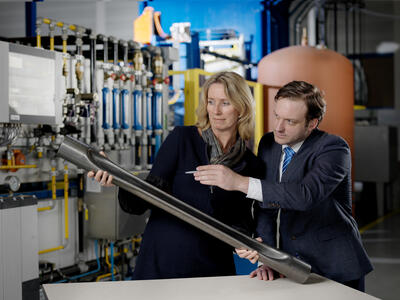
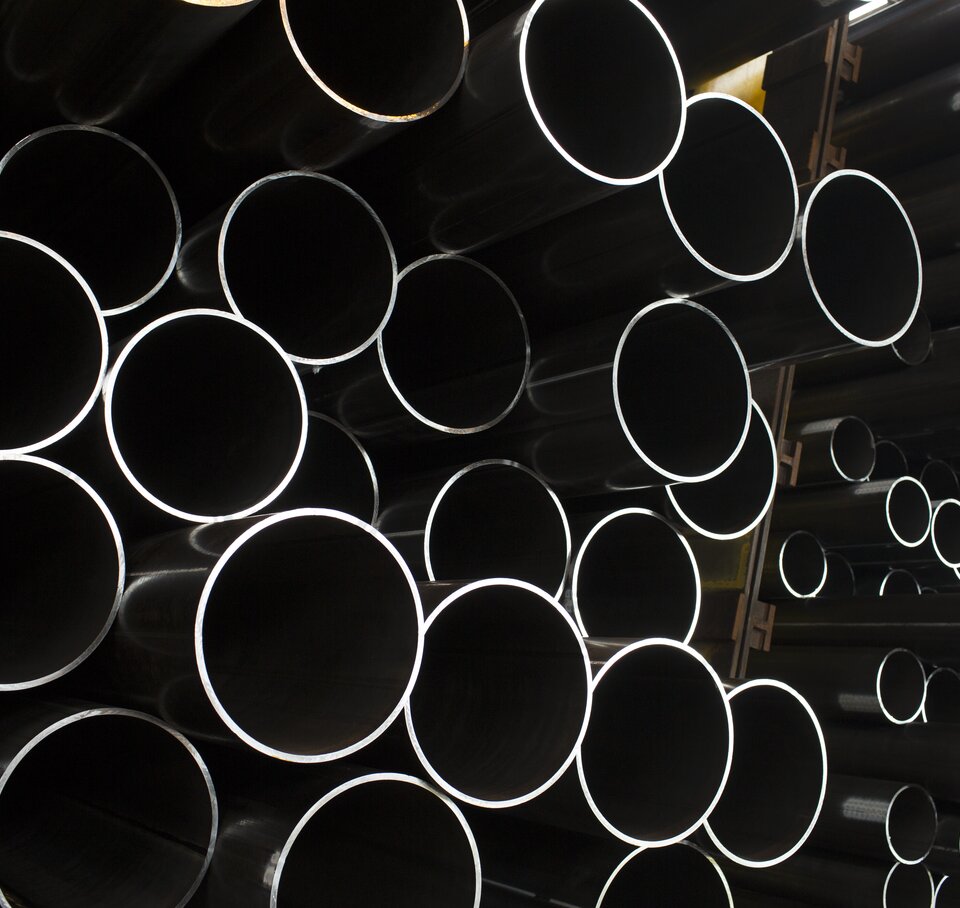
- Hollow sections produced at Corby, producing products needed for our energy and power infrastructure and construction sectors.
We are seeking targeted changes that better reflect historic trade flows, customer demand and domestic production capability.
The aim is to ensure UK steelmakers have a fair opportunity to compete while maintaining established import channels and supporting the UK's manufacturing ambitions.
Why does this matter beyond the steel industry?
Steel is a foundation industry and an essential part of the UK's manufacturing economy.
It supports sectors including construction, automotive, infrastructure, energy, engineering and defence.
A strong domestic steel industry helps underpin these supply chains and contributes to wider economic growth.
Once industrial capability is lost, it can be difficult and costly to rebuild. Supporting steelmaking is therefore about more than individual sites. It is about retaining skills, expertise and industrial capacity that benefit the wider economy.
What does steel bring to local communities?
Steelmaking supports thousands of jobs directly and many more through supply chains and local businesses.
Steel sites are often located in communities where major industrial employers play an important economic and social role. These jobs support local economies, skills development, training opportunities and a wide range of small and medium-sized businesses.
A strong UK steel industry helps sustain communities, supports skilled employment and retains economic value within the UK.
Isn't this just protectionism?
No. UK steelmakers compete with imported steel every day and will continue to do so.
The issue is ensuring competition takes place on fair terms. Global steel markets are heavily influenced by excess production capacity, state support and trade diversion. When other major markets strengthen their trade defences, steel can be redirected into markets that remain more open.
We are not seeking to exclude imports. We are advocating for a balanced approach that reflects UK demand, supports domestic production and maintains healthy competition
Won't tighter quotas make cars, buildings and other products more expensive?
Steel is only one component in the cost manufactured products and construction projects.
The final cost of a car, building or infrastructure development is influenced by several factors, including labour, energy, logistics, engineering and fabrication costs. Changes in steel prices do not directly translate into equivalent changes in the price paid by the end customer.
There are also benefits to maintaining domestic steel production, including shorter supply chains, greater security of supply, improved resilience and technical support for customers.
The objective is not to replace imports, but to maintain a balanced market in which both domestic production and imports have an important role to play.
Why is fair trade important for UK manufacturing?
Trade policy plays an important role in supporting investment and growth across UK manufacturing.
The UK is investing in modern, lower-carbon steelmaking and developing the skills needed for the future. For those investments to succeed, domestic producers must have a fair opportunity to compete in their home market.
A strong steel sector supports a wide range of industries, from automotive and construction to energy and advanced manufacturing. It also helps retain skills, jobs and economic value within the UK.
Fair trade is therefore one part of a broader industrial strategy that also includes competitive energy costs, skills development, procurement, infrastructure and long-term investment.
EN-Corporate-Media-Press Office-TSUK
For press inquiries
Alternatively you can contact:
Tom Evans +44 (0) 7920 399385 tom.evans@tatasteeleurope.com
Caitlin Bryant +44 (0) 7553 804160 caitlin.bryant@tatasteeleurope.com
Headland PR Agency tatasteel@headlandconsultancy.com
Follow us on social media


