





















































































Industry leaders explore how floating solar can support UK energy security and manufacturing growth
Tata Steel UK has highlighted the major opportunities floating solar technology could create for UK manufacturing and renewable energy supply chains following a high-profile industry event in London.
Kamal Rajput, Strategic Business Development Lead at Tata Steel UK, recently represented the company at the launch of new analysis commissioned by Bluefield and delivered by Confederation of British Industry. The report examined how floating solar could become an important part of the UK’s long-term energy security strategy while creating economic opportunities for British industry.
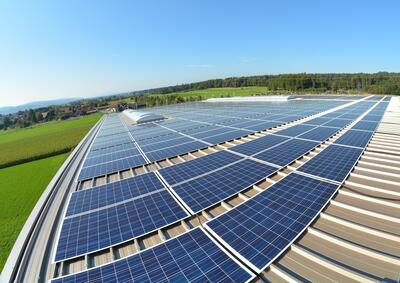
Floating solar systems use photovoltaic (PV) panels mounted on steel structures positioned on freshwater bodies such as reservoirs. The technology is attracting growing interest across the renewable energy sector because it allows clean energy generation without using valuable land space.
Speaking at the event, Kamal Rajput described floating solar as a significant opportunity for innovation, investment and industrial growth within the UK.
“Floating solar represents a significant economic opportunity and source of economic value,” he said. “We are really good at taking an idea and developing it.”
The event brought together experts from across industry, academia and energy policy, including representatives from Bluefield, Lancaster University and energy expert Chris Stark. Discussions focused on how the UK can build stronger supply chains and support domestic manufacturing as renewable energy technologies continue to expand.
Supporting UK Steel in the Floating Solar Transition
During the panel discussion, Kamal also highlighted the important role UK-produced steel could play in supporting the future growth of floating solar infrastructure.
“There needs to be a cultural movement to really re-embrace this within the private sector,” he explained. “Whether you’re a member of the supply chain, a developer or an owner of a reservoir, there is an obligation across all levels of the value chain to support it.”
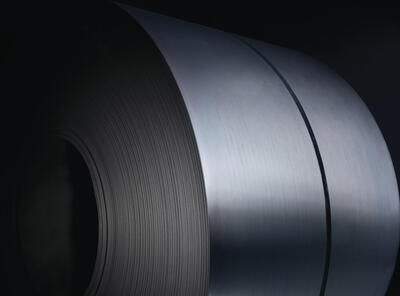
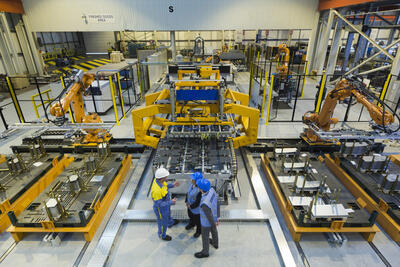
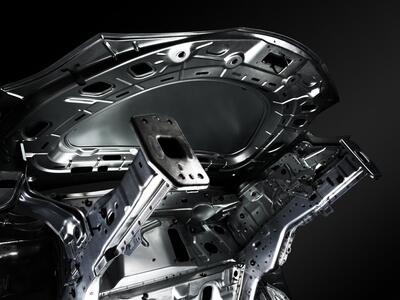
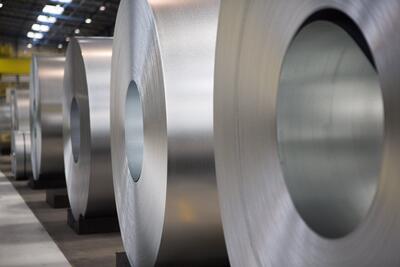
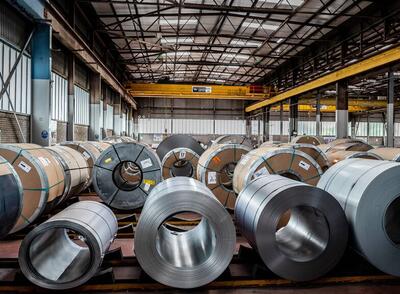
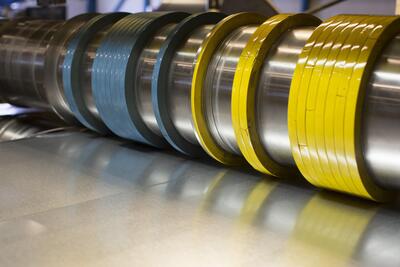
As floating solar projects grow across the UK and internationally, demand for durable, high-quality steel products used in mounting structures and infrastructure is expected to increase. Tata Steel UK believes this presents a valuable opportunity for British manufacturing and domestic supply chains.
Kamal added: “I think there’s a big opportunity for Tata Steel to ensure that we can use steel produced and manufactured in the UK to support this growing industry.”
The discussion reflects Tata Steel UK’s continued commitment to supporting innovation, sustainability and the industries helping drive the UK’s low-carbon future. By working closely with partners across manufacturing, infrastructure and energy, the company is helping position UK steel at the centre of the clean energy transition.
About Tata Steel UK
- The Tata Steel Group has been named one of the most ethical companies in the world, and is among the top producing global steel companies with an annual crude steel capacity of 34 million tonnes.
- Tata Steel in the UK has the ambition to produce net-zero steel by 2045 at the latest, and to have reduced 30% of its CO2 emissions by 2030.
- In October 2024, Tata Steel ceased ironmaking at its Port Talbot site and temporarily paused steelmaking pending the construction of a 3.2Mtpa Electric Arc Furnace, due to be commissioned late in 2027 / early 2028. For that period, the business will import slab and hot rolled coil to support manufacturing and distribution operations at sites across Wales, England and Northern Ireland as well as Norway, Sweden, France, Germany and UAE. It also benefits from a network of sales offices around the world.
- Throughout 2024 Tata Steel UK has been undergoing a restructuring that will reduce the size of its workforce to around 5000 direct employees, supplying high-quality steel products to demanding markets, including construction and infrastructure, automotive, packaging and engineering.
- Tata Steel Group is one of the world's most geographically-diversified steel producers, with operations and a commercial presence across the world.
- The group recorded a consolidated turnover of around US$26 billion in the financial year ending March 31, 2025.
- Tata Steel has long played a key role in enabling the UK economy to become more circular. Its products are highly durable, reusable and recyclable, It applies a sustainability assessment tool during its new product development process to measure the sustainability credentials of its new offerings.
- More information about the crucial role that Tata Steel UK already plays in driving the UK to a more circular economy, and its plans to play an even greater role, can be found in its recently-published Sustainability Report covering 2023-2025.